Artificial Intelligence in 2026: The Complete Guide to AI Technology, Tools, and the Future
Learn everything about Artificial Intelligence in 2026, including how AI works, the best AI tools, real-world applications, and the future of AI technology.
 majdialqasim

Introduction


Artificial Intelligence (AI) has become one of the most powerful technologies of the digital age. Over the past decade, AI has evolved from an experimental concept into a practical tool used across many industries.
In 2026, AI is no longer just a futuristic idea. It is already integrated into everyday life through technologies like voice assistants, smart recommendations, automation systems, and advanced robotics.
This guide explains everything you need to know about Artificial Intelligence, including how it works, its applications, the most popular AI tools, and what the future may hold.
What is Artificial Intelligence?


Artificial Intelligence refers to computer systems designed to perform tasks that normally require human intelligence.
These systems can:
-
Analyze large amounts of information
-
Learn from data
-
Recognize patterns
-
Make decisions with minimal human input
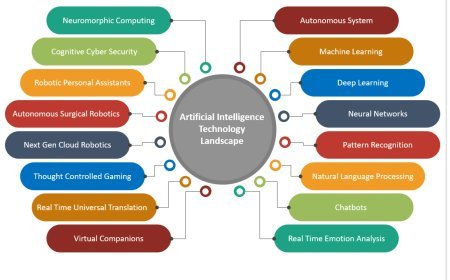
AI technologies rely on several advanced fields including:
-
Machine Learning (ML)
-
Deep Learning
-
Natural Language Processing (NLP)
-
Computer Vision
-
Neural Networks
For example, when you search online or receive personalized recommendations on streaming platforms, AI analyzes your behavior and predicts what you might want next.
The History of Artificial Intelligence

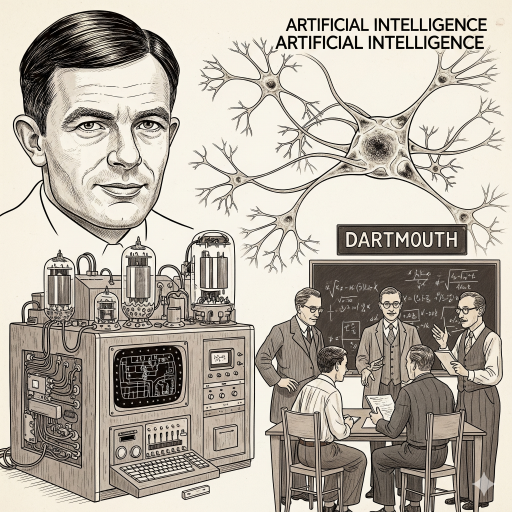
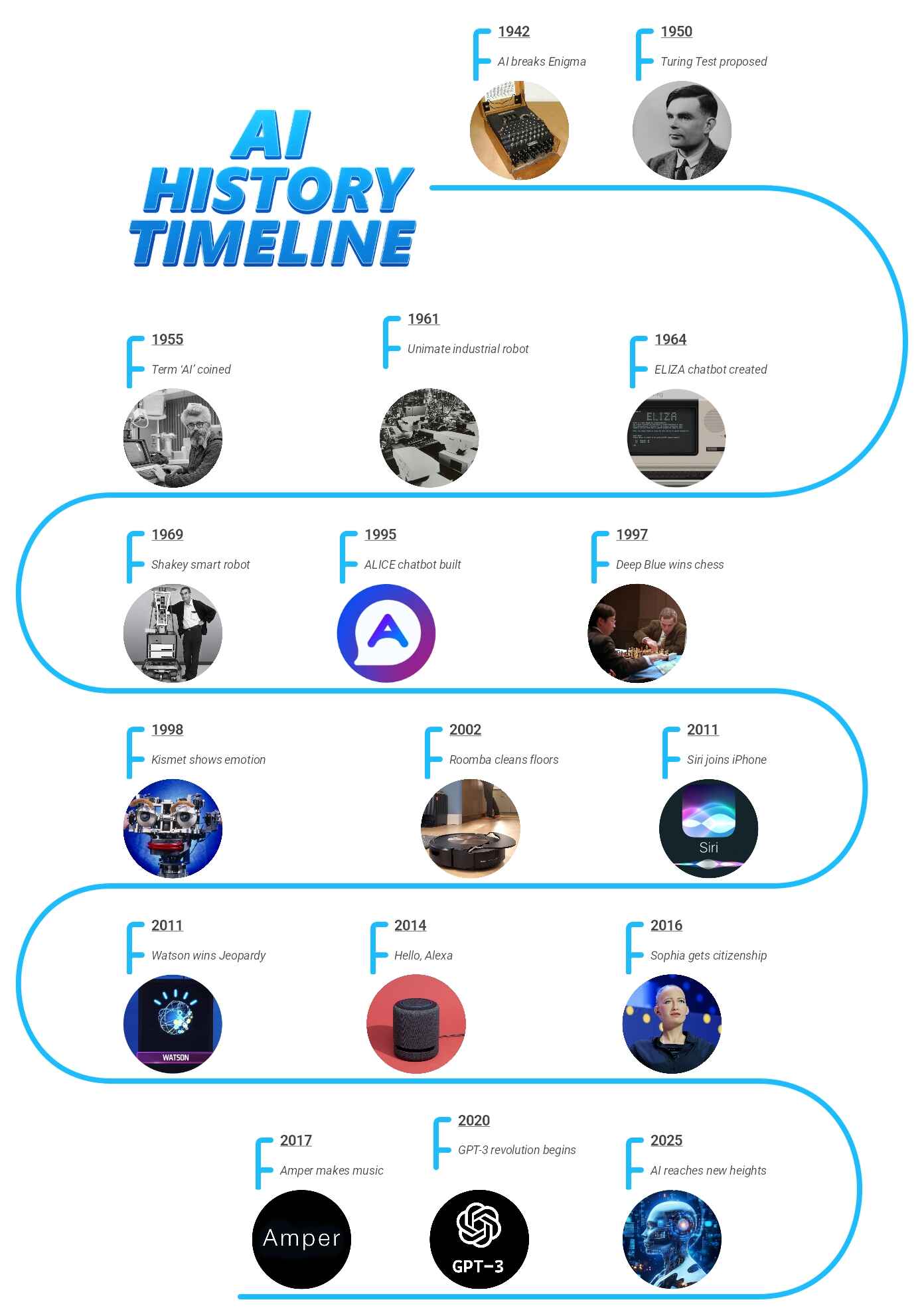
The concept of Artificial Intelligence has existed for many decades.
1950s – The Beginning
Computer scientist Alan Turing introduced the idea of machine intelligence and proposed the famous Turing Test.
1980s – Expert Systems
AI research focused on building expert systems capable of solving specialized problems such as medical diagnosis.
2000s – Machine Learning Growth
Improved computing power and access to large datasets helped AI algorithms become more powerful.
2010s – Deep Learning Breakthrough
Neural networks allowed machines to recognize images, understand speech, and generate content.
2020s – AI Everywhere
Today AI powers search engines, recommendation systems, smart assistants, and autonomous technologies.
How Artificial Intelligence Works

Artificial Intelligence works by analyzing large datasets and learning patterns from them.
Data Collection
AI systems need large amounts of data such as text, images, or user behavior.
Training Algorithms
Machine learning algorithms are trained using this data to understand patterns and relationships.
Model Optimization
Developers improve the model to increase its accuracy and performance.
Deployment
After training, the AI model can perform tasks like answering questions, recognizing images, or predicting outcomes.
Types of Artificial Intelligence


Artificial Intelligence can generally be divided into three categories.
Narrow AI
Also known as Weak AI, this type is designed for specific tasks such as chatbots, recommendation systems, and voice assistants.
General AI
This form of AI would be capable of performing any intellectual task that humans can do. Currently, this level of AI does not exist.
Super AI
Super AI refers to a hypothetical form of AI that surpasses human intelligence in every field. It remains theoretical.
Real-World Applications of AI


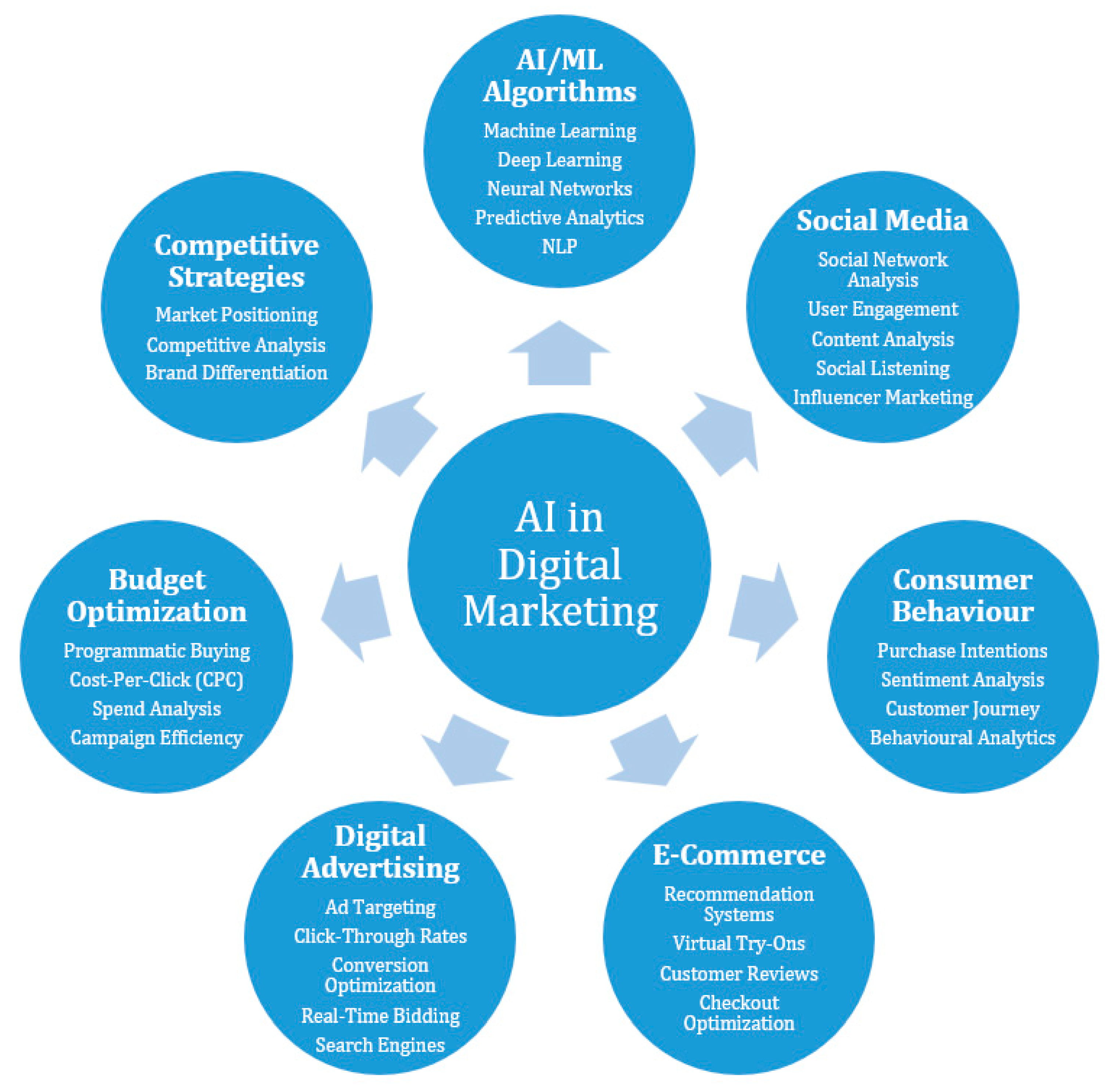
Artificial Intelligence is transforming many industries.
Healthcare
AI assists doctors in detecting diseases early and analyzing medical images.
Finance
Banks use AI to detect fraud, assess risk, and automate financial trading.
Marketing
AI helps companies analyze consumer behavior and personalize marketing campaigns.
E-Commerce
Online stores use AI recommendation systems to suggest products to customers.
Education
AI-powered platforms personalize learning experiences for students.
Top AI Tools in 2026

AI tools are helping individuals and businesses work faster and more efficiently.
Examples include:
AI Writing Tools
Used for creating blog posts, marketing copy, and articles.
AI Image Generators
Allow users to create images using simple text prompts.
AI Video Tools
Automatically generate videos using AI technology.
AI Chatbots
Provide automated customer support 24/7.
AI Coding Assistants
Help developers write code faster and detect bugs.
Benefits of Artificial Intelligence

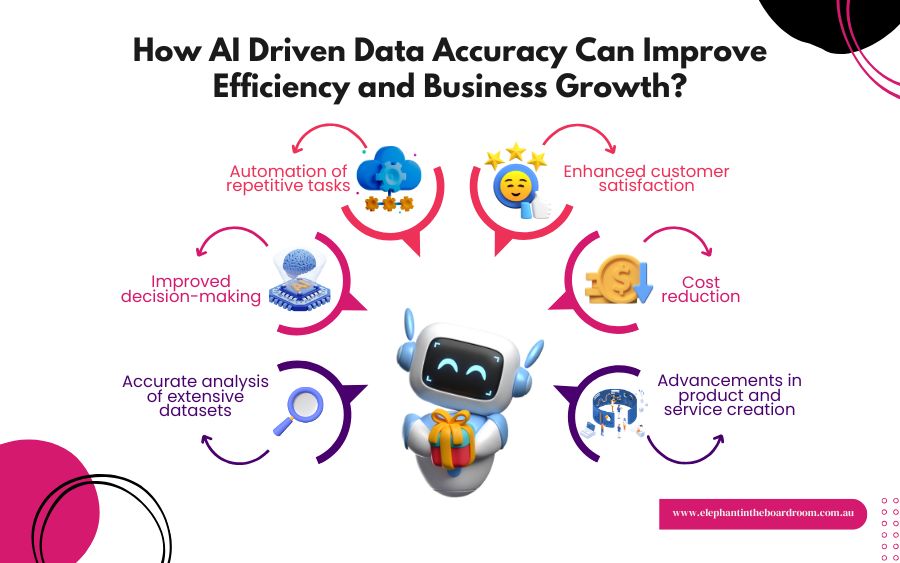

AI provides many advantages across industries.
Increased Efficiency
Automation allows businesses to complete tasks faster.
Better Decision Making
AI analyzes data quickly and generates insights.
Cost Reduction
Automation reduces operational costs.
Innovation
AI enables the creation of new digital products and services.
Challenges and Risks of AI


Despite its advantages, AI also presents challenges.
Job Displacement
Automation may replace certain repetitive jobs.
Ethical Concerns
AI systems must be developed responsibly to avoid bias.
Data Privacy
AI relies heavily on large datasets, which raises concerns about data protection.
The Future of Artificial Intelligence


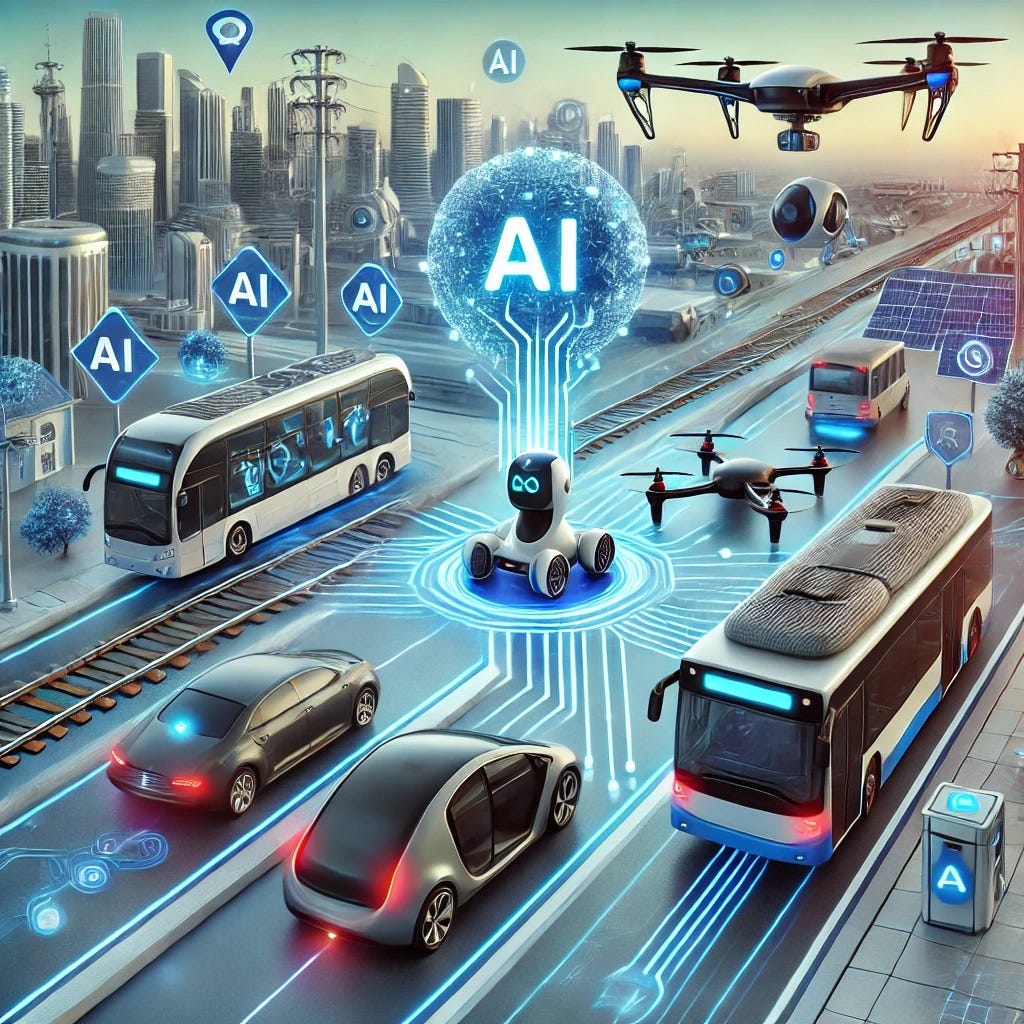
Experts believe AI will continue to grow rapidly in the coming decades.
Future developments may include:
-
Fully autonomous vehicles
-
Advanced robotics
-
AI-powered smart cities
-
Personalized healthcare systems
-
Intelligent education platforms
Artificial Intelligence is expected to become one of the most influential technologies in human history.
Conclusion
Artificial Intelligence is transforming the world in ways that were once unimaginable. From healthcare and finance to marketing and education, AI is helping businesses and individuals innovate faster than ever before.
As AI technology continues to evolve, those who understand and adopt it early will gain a major advantage in the digital economy.
Learning about Artificial Intelligence today is an investment in the technologies that will shape the future.