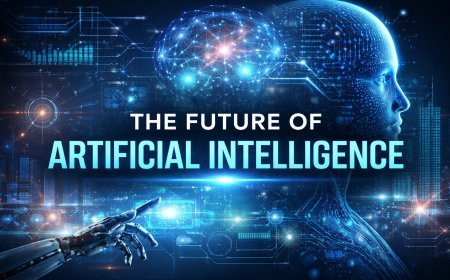
Artificial Intelligence (AI) is rapidly shaping the future of technology. In 2026, AI is no longer just a research topic—it has become an essential part of everyday life. From smart assistants and automation systems to advanced robotics and data analytics, AI is transforming how businesses operate and how people interact with technology.
As computing power increases and data becomes more accessible, AI systems are becoming more intelligent, efficient, and capable of solving complex problems across many industries.
How AI Is Transforming Industries
Artificial Intelligence is already revolutionizing many industries around the world.
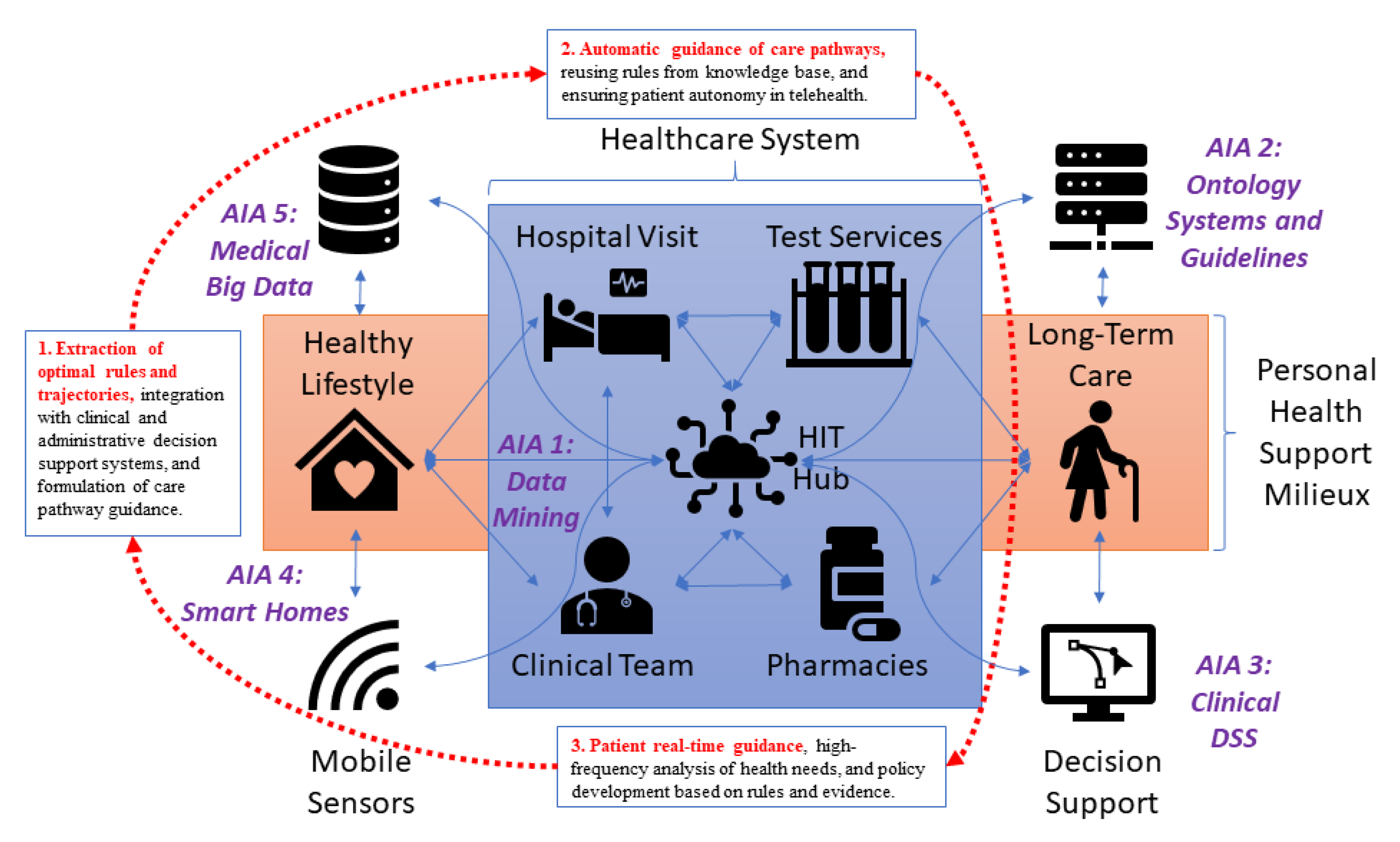
Healthcare
AI helps doctors detect diseases earlier, analyze medical images, and develop more personalized treatments for patients.
Finance
Banks and financial institutions use AI to detect fraud, analyze financial risks, and automate trading systems.
Marketing
AI-powered tools allow marketers to analyze customer behavior, personalize advertising campaigns, and optimize marketing strategies.
Manufacturing
Factories use AI-driven robotics and automation to improve efficiency and reduce production costs.
Emerging AI Technologies
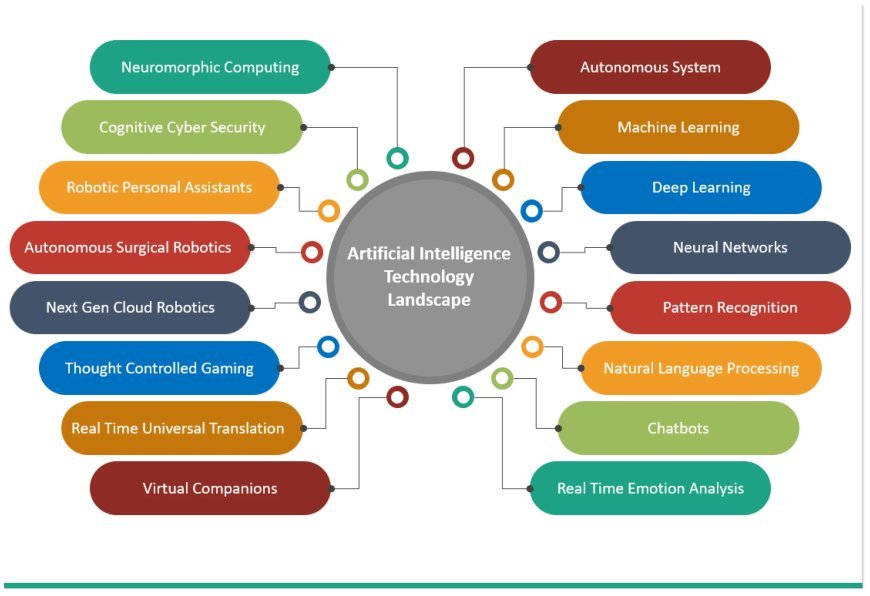
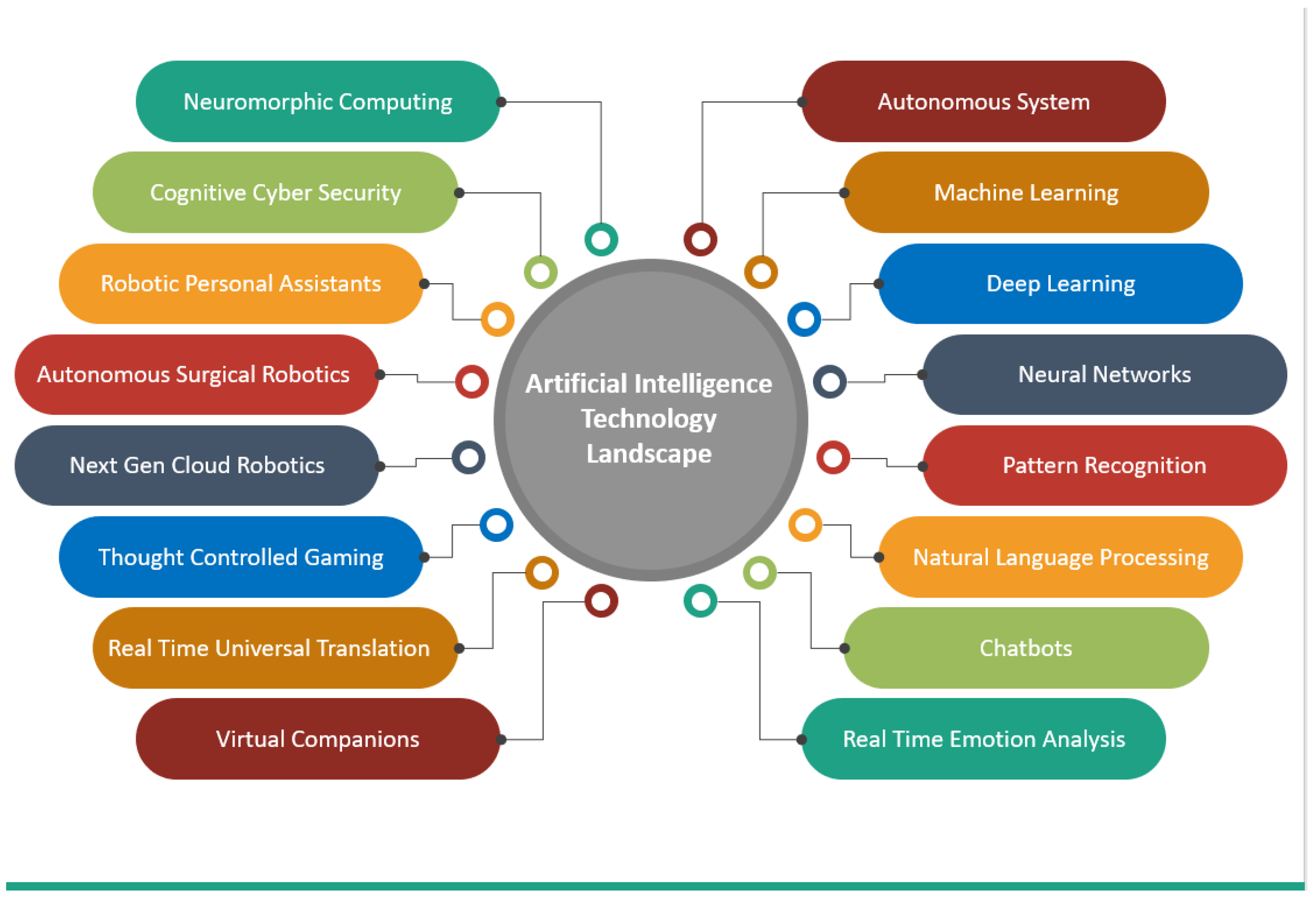
Several emerging technologies are accelerating the growth of Artificial Intelligence.
Machine Learning
Machine learning allows systems to learn from data and improve performance without being explicitly programmed.
Deep Learning
Deep learning uses neural networks to analyze complex patterns in data, enabling breakthroughs in image recognition, language understanding, and speech processing.
Natural Language Processing
NLP helps machines understand and generate human language, enabling chatbots, virtual assistants, and translation tools.
Computer Vision
Computer vision enables machines to interpret visual information from images and videos.
AI and the Future Workforce
Artificial Intelligence will significantly influence the future job market. While some repetitive tasks may become automated, AI will also create new opportunities in areas such as:
-
AI development and engineering
-
Data science and analytics
-
Robotics and automation
-
AI-powered digital marketing
Professionals who learn AI-related skills will likely have strong advantages in the future job market.
Challenges and Ethical Considerations
Despite its many advantages, Artificial Intelligence also raises important ethical and social concerns.
Some of the key challenges include:
-
Protecting user data and privacy
-
Preventing bias in AI algorithms
-
Ensuring responsible AI development
-
Managing the impact of automation on employment
Governments and technology companies are working to establish guidelines for ethical AI development.
The Future of AI Innovation
The future of Artificial Intelligence holds enormous potential. Experts believe that AI will continue to evolve rapidly and reshape society in many ways.
Future innovations may include:
-
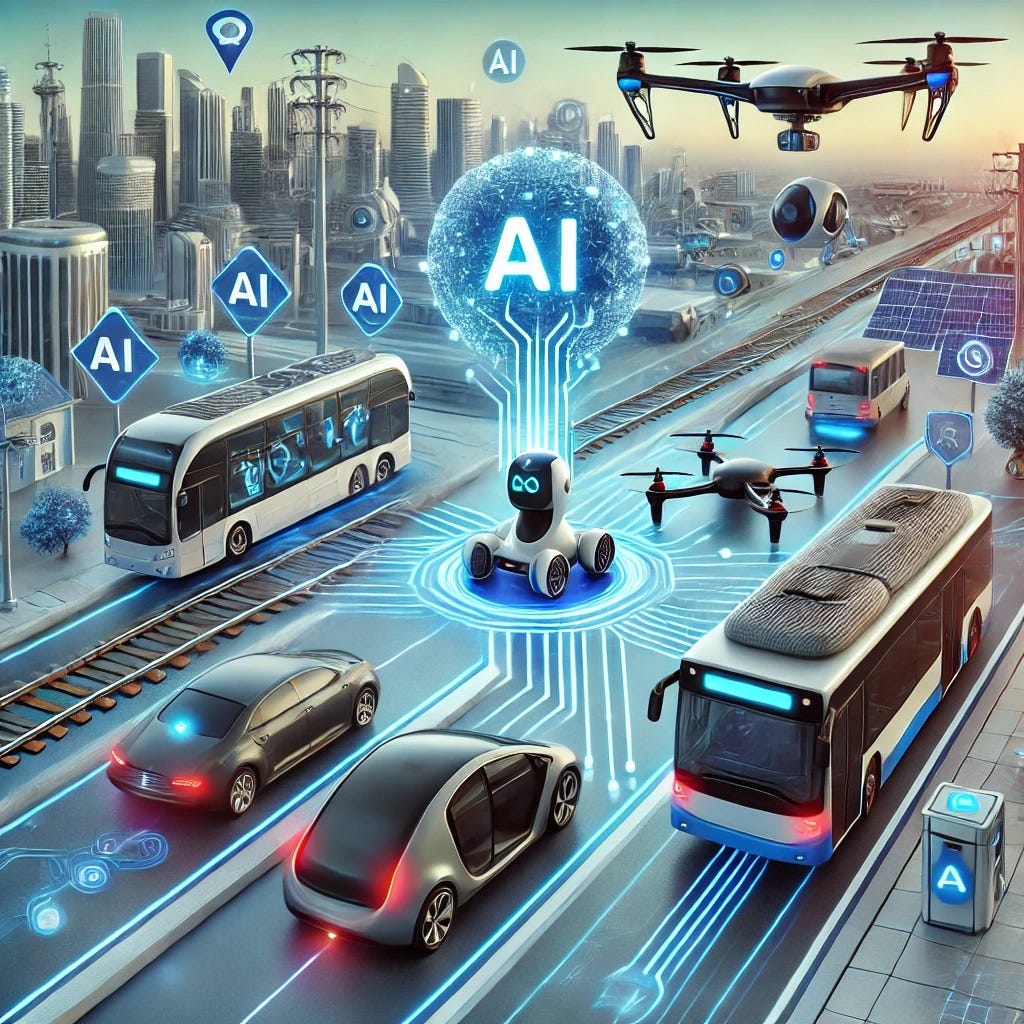
Fully autonomous vehicles
-
Smart cities powered by AI technology
-
Advanced robotics for industry and healthcare
-
Personalized education systems powered by AI
-
AI-driven medical diagnostics and treatments
These developments could transform how people live, work, and interact with technology.
Conclusion
Artificial Intelligence is one of the most powerful technologies shaping the future. In 2026 and beyond, AI will continue to drive innovation across industries, improve efficiency, and create new opportunities for businesses and individuals.
Understanding AI and adopting AI-driven technologies will be essential for anyone who wants to stay competitive in the digital age.
The future of technology is closely tied to Artificial Intelligence—and its impact is only just beginning. 🚀

 majdialqasim