The Future of Artificial Intelligence in 2026: How AI Is Transforming Technology
The Future of Artificial Intelligence in 2026: How AI Is Transforming Technology
 majdialqasim
Introduction
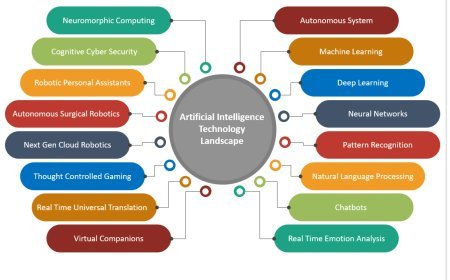
Artificial Intelligence (AI) is one of the most powerful technologies shaping the modern digital world. In recent years, AI has evolved from a research concept into a practical tool used in many industries including healthcare, finance, marketing, education, and cybersecurity.
Businesses and startups are investing heavily in AI because it allows them to automate tasks, analyze large amounts of data, and improve decision-making. As technology continues to advance, AI will play an even greater role in shaping the future of innovation.
AI Is Transforming Modern Technology


Artificial Intelligence is transforming the way technology works. Modern AI systems can process massive amounts of data within seconds and identify patterns that humans might miss.
Many tech companies are using AI to improve their products and services. For example:
-
Search engines use AI to deliver more accurate results
-
Streaming platforms use AI to recommend content
-
Online stores use AI to suggest products based on user behavior
These intelligent systems help companies deliver better user experiences and increase efficiency.
Artificial Intelligence in Everyday Life


AI is already part of everyday life. Many devices and applications we use daily rely on artificial intelligence.
For example, smartphones use AI to improve camera quality, recognize faces, and understand voice commands. Smart home devices also use AI to automate lighting, temperature control, and home security.
Virtual assistants and chatbots are another example. They help businesses provide fast customer support and answer common questions automatically.
AI in Business and Industry


Companies around the world are adopting AI technologies to stay competitive. Artificial Intelligence can automate repetitive tasks, analyze customer data, and provide valuable insights that help businesses grow.
In marketing, AI helps companies understand consumer behavior and optimize advertising campaigns. In finance, AI systems analyze transactions to detect fraud and reduce financial risks.
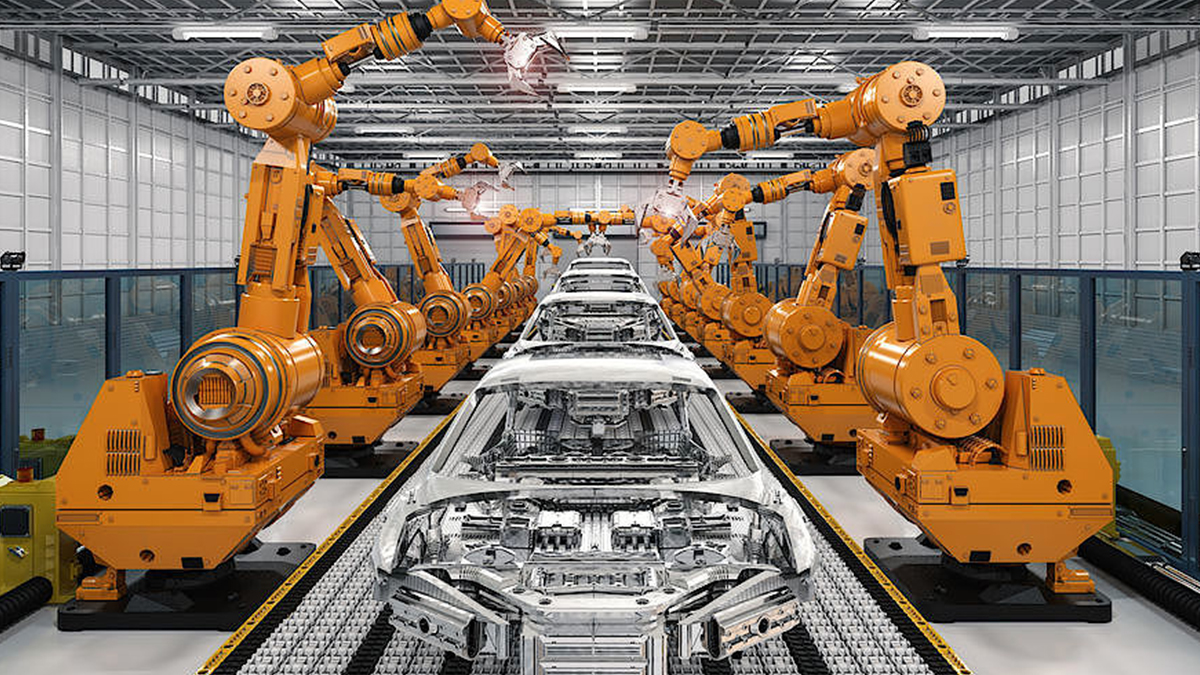
Manufacturing companies also use AI-powered robots to increase production speed and reduce errors.
Challenges and Ethical Considerations
Despite its many benefits, Artificial Intelligence also raises important challenges. Privacy concerns, data protection, and ethical AI development are key issues that governments and organizations must address.
Developers must ensure that AI systems are transparent, secure, and fair. Responsible AI development will be essential to maintain public trust and ensure that technology benefits society.
The Future of Artificial Intelligence
Experts believe that Artificial Intelligence will continue to evolve rapidly in the coming years. Future technologies such as autonomous vehicles, smart cities, advanced robotics, and intelligent healthcare systems will rely heavily on AI.
AI could help doctors detect diseases earlier, assist scientists in solving complex problems, and support businesses in making smarter decisions.
The future of technology will likely be powered by intelligent systems that work alongside humans to improve productivity and innovation.
Conclusion
Artificial Intelligence is revolutionizing the technology industry and shaping the future of the digital world. From smart devices to advanced business analytics, AI is making technology smarter, faster, and more efficient.
As innovation continues, understanding and adopting AI will become increasingly important for individuals, businesses, and governments worldwide.